

Marble Polishing with Nano Coating in Kolkata
A nano coating is an invisible protective layer applied after polishing. It does not change the look of the stone, but it slows down how quickly tea, oil, hard water and coloured liquids soak in, which is what normally ruins a polished floor. Kolkata buildings are older and often mix marble, Kota and mosaic in the same flat, with high humidity and monsoon damp that dulls floors faster than in Delhi. Salt-laden air near the river also leaves a film that looks like stone wear but is surface deposit.
- Polish condition check before coating
- Diamond polishing first, because coating cannot hide scratches
- Surface cleaned of residue and moisture
- Nano coating applied evenly in sections
At a glance
- Akemi nano
- Invisible protection
- 12-24 months
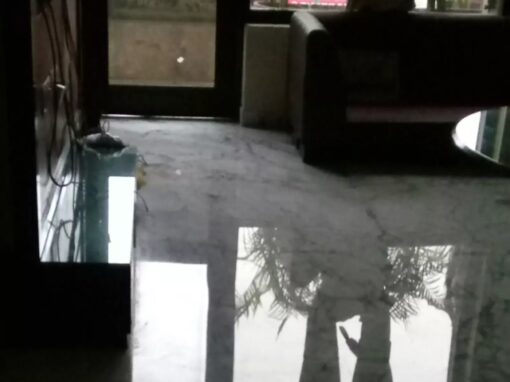
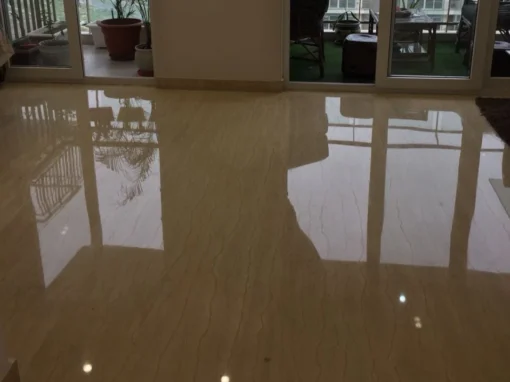
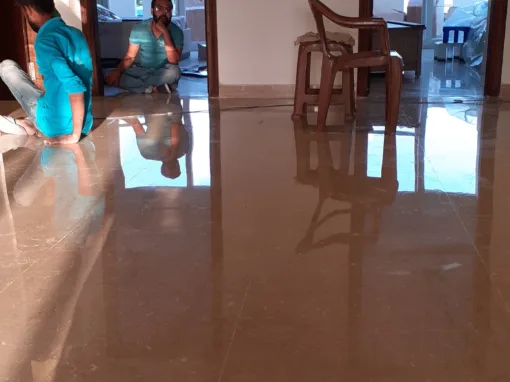
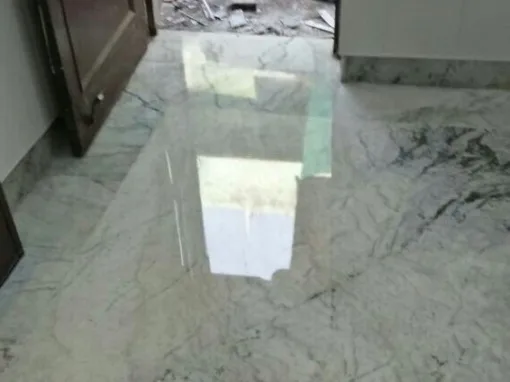
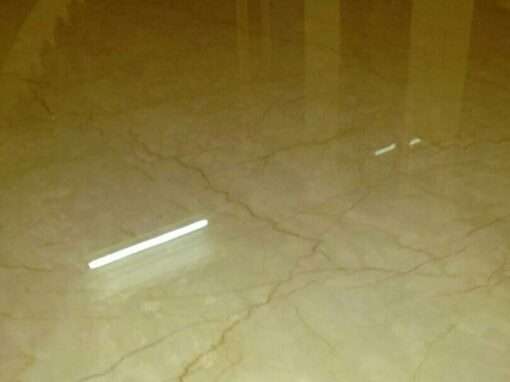
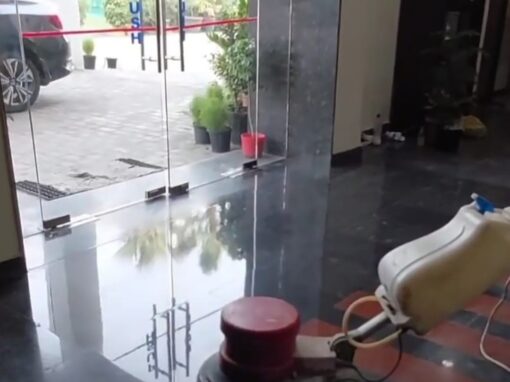
A real before and after photo is added here for the strongest result.
What is included in nano coating marble polishing
- Polish condition check before coating
- Diamond polishing first, because coating cannot hide scratches
- Surface cleaned of residue and moisture
- Nano coating applied evenly in sections
- Curing time allowed before use
- Edge and joint treatment by hand
- Care instructions for cleaning without stripping the coat
- Re-application schedule explained
What each surface needs
| Area | Why coat it | Expected life |
|---|---|---|
| Kitchens and dining | Oil, turmeric, tea and wine spills | 12-24 months |
| Washbasins and wet areas | Hard water film and watermark rings | 12-18 months |
| Entry and lobby | Dust, grit and shoe marks | 12-24 months |
| Office and retail floors | Cleaning chemicals and trolley traffic | 12-18 months |
Every surface is tested on a hidden patch before work starts, so you see the result before committing to the whole floor.
How the job runs
- Inspection to confirm the floor is polish-ready (free)
- Diamond polishing to remove scratches and dullness
- Surface cleaned and dried completely
- Nano coating applied and buffed evenly
- Curing and handover with cleaning guidance
Nano Coating Marble Polishing rates in Kolkata
| Work | Guide band | Notes |
|---|---|---|
| Polish plus nano coating | Rs 15-25 per sq ft | Standard homes |
| Polish plus coating on heavy wear | Rs 25-35 per sq ft | Lippage, stains, patchiness |
| Nano coating only | Quoted after inspection | Floor must already be polished and sound |
| Re-application | Quoted after inspection | Every 12-24 months |
Rates depend on surface type, damage depth, area and access. The figure is written down before work begins.
Why clients book us
- 12 years of stone finishing with Akemi nano products
- Coating applied only after polishing, never as a shortcut
- pH-neutral cleaning advice so the coat is not stripped
- Visible result checked with you before handover
- Clear re-application schedule instead of vague promises
Serving Kolkata and nearby areas
Kolkata jobs are scheduled as a fixed visit batch so the crew and machines travel together and travel cost is not loaded onto your rate. Kolkata buildings are older and often mix marble, Kota and mosaic in the same flat, with high humidity and monsoon damp that dulls floors faster than in Delhi. Salt-laden air near the river also leaves a film that looks like stone wear but is surface deposit. Inspections are booked within 24-48 hours and most jobs take 1-2 days per flat. Call 86070 01043 or WhatsApp photos of your floor for an indicative rate.
Nano Coating Marble Polishing - common questions
Will nano coating make my marble stain-proof?
No, and nobody should promise that. It slows absorption so you have time to wipe a spill. Leaving lemon juice or oil on the surface for hours can still mark the stone.
Does it change the appearance?
No. It is transparent and leaves the original colour and veining untouched, unlike a lacquer or film coating.
Can it be applied without polishing first?
It can, but it is a waste of money. Coating over scratches and dull patches locks them in, so we polish first or decline the job.
How long does it last?
Typically 12-24 months depending on traffic and cleaning products. Two applications a year in commercial spaces is normal.
Does it stop the floor from being slippery?
It does not increase slip resistance. For bathrooms and staircases we recommend an anti-skid treatment alongside or instead.